




Welcome, coffee lovers! Have you ever sipped the traditional Brazilian coffee or cafezinho and felt a link connecting you instantly to the grand tradition of Brazil? I have, and it is that very experience I am eager to share with you here. The fragrant aroma, the smooth palate of the dark roast, and the warm yet uncomplicated pleasure of a well-crafted cup-café are not just coffee recipes. It is a little exploratory journey into the soul of the Brazilian culture.
The combination of pronounced flavors with cultural richness makes its course-though completely different for the coffee-lover and the casual flavor explorers-well worth a shot. It’s more of a soulful tradition–a symbol of warmth and hospitality. Have you ever thought about making it the traditional Brazilian way? Or did you ever wonder what lies behind the rich, smooth flavor? Today, I can guide you step by step through which beans to select-so finally you can enjoy the perfect cup.
Time to discover the magic of Brazilian coffee: let’s enjoy this wonderful recipe together. You may just find your new favorite way to begin the day.
Key Benefits of Brazilian Coffee
Hey there, coffee enthusiast! Let’s dive into the wonderful world of Brazilian coffee, or as the locals call it, cafezinho. This isn’t just any coffee, it’s a cultural treasure that brings people together. Here are a few key benefits that make Brazilian coffee truly special:
-
Rich Flavor Profile: Brazilian coffee is known for its deep, robust flavor. It’s a perfect balance of boldness and smoothness, making every sip a delight.
-
Health Benefits: Packed with antioxidants and natural caffeine, Brazilian coffee is not just a treat for your taste buds but also a boost for your health.
-
Cultural Significance: Every cup of cafezinho tells a story. It’s a symbol of Brazilian hospitality and tradition, making it more than just a drink, it’s an experience.
Why You’ll Love This Recipe
-
Authenticity: This recipe stays true to the traditional Brazilian way of making cafezinho. You’ll feel like you’re in a cozy Brazilian home, sipping coffee with friends.
-
Ease of Preparation: Don’t worry, making Brazilian coffee is a breeze. With just a few simple steps, you’ll have a perfect cup ready in no time.
-
Versatility: Whether you prefer your coffee strong or with a hint of sweetness, this recipe is flexible. You can easily adjust it to your taste.
A Few Tips Before You Start
-
High-Quality Beans: The secret to a great cafezinho lies in the beans. Opt for high-quality, single-origin coffee beans for the best flavor.
-
Freshly Ground: Grinding your beans just before brewing ensures the freshest aroma and richest flavor. Trust me, it makes a world of difference.
-
Cloth Filter: Traditional Brazilian coffee is often strained through a cloth filter. This method removes any grounds, leaving you with a smooth, clear cup.
Ready to Brew?
Now that you know the benefits and tips, let’s get started. In the next section, I’ll walk you through the ingredients you’ll need. It’s simple, but every ingredient plays a crucial role in creating that perfect cup of cafezinho. Let’s go!
Ingredients for Making Brazilian Coffee
Ingredients:
-
High-Quality Coffee Beans: 2 tablespoons, finely ground
-
Unrefined Sugar: 1 teaspoon (optional)
-
Water: 1 cup
Why These Ingredients?
-
Coffee Beans: The star of the show! Using high-quality, single-origin coffee beans ensures a rich and authentic flavor. Finely ground beans are essential for the perfect brew.
-
Unrefined Sugar: This is optional, but it adds a touch of sweetness that complements the bold flavor of the coffee. You can adjust the amount to your taste.
-
Water: Good-quality water is crucial for brewing. It helps bring out the best in your coffee beans.
Tips for Choosing Your Ingredients:
-
Beans: Look for beans that are specifically labeled as Brazilian coffee. Single-origin beans are ideal because they offer a pure, unadulterated flavor.
-
Grind: If you have a coffee grinder, grind your beans just before brewing. Freshly ground coffee has the best aroma and flavor.
-
Sugar: Unrefined sugar is traditional, but you can use any type of sugar you prefer. Just remember, a little goes a long way!
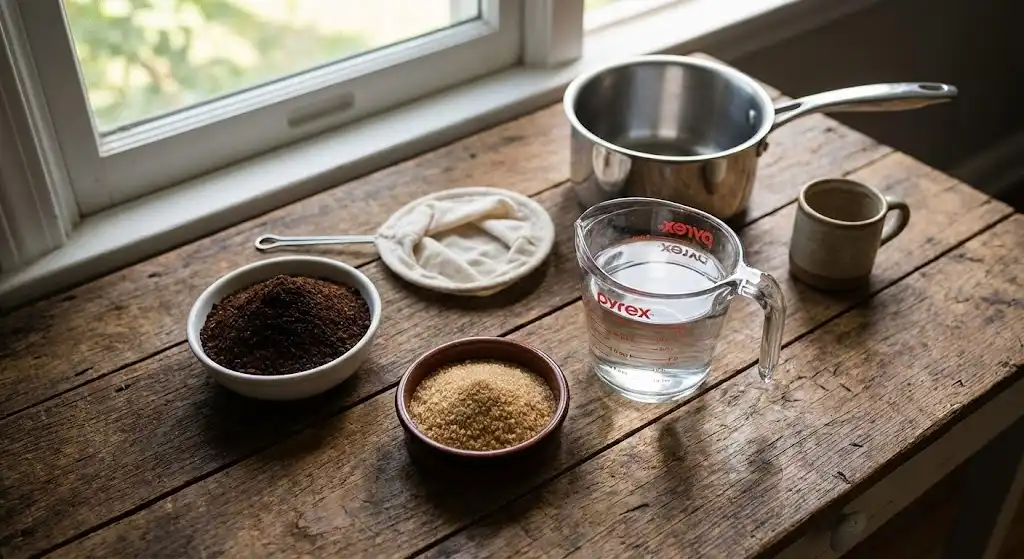
Instructions for Making Cafezinho
Instructions:
-
Boil Water:
-
Bring 1 cup of water to a boil. Use a kettle or a small saucepan for this step. Freshly boiled water is essential for extracting the full flavor from the coffee grounds.
-
-
Add Ground Coffee:
-
Once the water is boiling, remove it from the heat. Stir in 2 tablespoons of finely ground coffee. Freshly ground beans are key here, so if you have a grinder, use it!
-
-
Brew:
-
Allow the coffee to steep in the boiling water for about 1 minute. This brief brewing time ensures the coffee is strong and flavorful without becoming bitter.
-
-
Strain:
-
Pour the coffee through a cloth filter to remove the grounds. This traditional method gives you a smooth, clear cup. If you don’t have a cloth filter, a fine mesh strainer will work too.
-
-
Sweeten:
-
Add 1 teaspoon of unrefined sugar if you like your coffee sweet. Stir well to dissolve the sugar. You can adjust the amount to your taste, or skip it altogether if you prefer your coffee black.
-
-
Serve:
-
Pour the coffee into a small mug. Traditional Brazilian coffee is often served in small cups, similar to espresso cups. This allows you to savor every sip.
-
Tips for a Perfect Brew:
-
Timing: Be mindful of the brewing time. Over-brewing can lead to a bitter taste, while under-brewing might leave the coffee weak.
-
Grind Size: Ensure the coffee is finely ground. This helps in extracting the full flavor during the short brewing time.
-
Temperature: Use freshly boiled water. The right temperature is crucial for releasing the coffee’s aroma and flavor.
Pro Tips and Variations
Pro Tips:
-
Single-Origin Beans: For the most authentic flavor, use single-origin Brazilian coffee beans. These beans are grown in specific regions of Brazil and offer a unique taste profile.
-
Adjust Sugar: Feel free to adjust the amount of sugar to your liking. Some people prefer their cafezinho with just a pinch of sugar, while others might skip it altogether.
-
Grind Consistency: Ensure your coffee is finely ground. This helps in extracting the full flavor during the short brewing time. If you don’t have a grinder, you can buy pre-ground coffee, but freshly ground is always best.
Fun Variations:
-
Brazilian Coffee Cookies: Pair your cafezinho with some delicious Brazilian coffee cookies. The combination of sweet and bold flavors is simply divine.
-
Brazilian Latte: For a creamier twist, try making a Brazilian latte. Simply add steamed milk to your brewed coffee for a smoother, more indulgent experience.
-
Spiced Coffee: Add a pinch of cinnamon or nutmeg to your coffee grounds before brewing. This adds a warm, spicy note to your cafezinho.
Tips for Beginners:
-
Start Simple: If you’re new to brewing Brazilian coffee, start with the basic recipe. Once you get comfortable, you can experiment with variations.
-
Practice Makes Perfect: Don’t worry if your first few attempts aren’t perfect. Each time you brew, you’ll get better at adjusting the grind size, brewing time, and sugar levels.
Ready to Experiment?
Serving Suggestions
Traditional Brazilian Style:
-
Small Mug: Serve your cafezinho in a small, traditional Brazilian mug. This not only enhances the experience but also keeps the coffee hot and concentrated.
Modern Twist:
-
Brazilian Latte: For a contemporary twist, try adding steamed milk to your cafezinho. This creates a creamy, smooth latte that’s perfect for those who prefer a milder coffee flavor.
-
Iced Cafezinho: On a hot day, consider making an iced version. Brew your coffee as usual, then let it cool and pour it over ice. Add a splash of milk or cream if you like.
Pairing Suggestions:
-
Brazilian Coffee Cookies: These cookies are a perfect match for your cafezinho. The rich, buttery flavor complements the bold taste of the coffee.
-
Fruit and Cheese Plate: Pair your coffee with a selection of fresh fruits and cheeses. This light and refreshing combination is perfect for a mid-morning or afternoon snack.
Tips for Serving:
-
Temperature: Serve your cafezinho hot, but not scalding. The ideal temperature allows you to savor the rich flavors without burning your tongue.
-
Presentation: Take a moment to present your coffee beautifully. A well-presented cup of coffee can enhance the overall experience.
-
Share the Love: Cafezinho is best enjoyed with friends and family. Share your brewing skills and create memorable moments together.
Tools and Equipment Guide
Essential Tools and Equipment:
-
Coffee Grinder:
-
Why: Freshly ground coffee makes a world of difference. A good grinder ensures your beans are finely ground, which is crucial for the rich flavor of cafezinho.
-
Tip: Look for a grinder that allows you to adjust the grind size. Fine grind is ideal for this recipe.
-
-
Kettle:
-
Why: A kettle is perfect for boiling water quickly and efficiently. It ensures you have the right temperature for brewing.
-
Tip: Electric kettles are convenient and often have temperature settings, but a stovetop kettle works just as well.
-
-
Cloth Filter:
-
Why: Traditional Brazilian coffee is often strained through a cloth filter. This method removes any grounds, leaving you with a smooth, clear cup.
-
Tip: If you don’t have a cloth filter, a fine mesh strainer or a coffee sock will work just as well.
-
-
Small Saucepan:
-
Why: A small saucepan is useful for boiling water and brewing the coffee directly in it. It allows for even heating and easy stirring.
-
Tip: Choose a saucepan with a spout for easy pouring.
-
-
Small Mug:
-
Why: Serving cafezinho in a small mug enhances the experience. It keeps the coffee hot and concentrated, allowing you to savor every sip.
-
Tip: Look for traditional Brazilian coffee cups, often called “xícaras,” for an authentic touch.
-
Tips for Choosing the Right Tools:
-
Quality Over Quantity: Invest in high-quality tools that will last. A good grinder and kettle will make a significant difference in your coffee’s flavor.
-
Versatility: Choose tools that can be used for other recipes as well. For example, a fine mesh strainer can be used for various cooking tasks.
-
Ease of Use: Opt for tools that are easy to clean and use. This will make the coffee-making process enjoyable and hassle-free.
Troubleshooting Common Issues
Common Issues and Solutions:
-
Bitter Coffee:
-
Cause: Over-brewing or using water that’s too hot.
-
Solution: Stick to the recommended brewing time of about 1 minute. Ensure your water is freshly boiled but not scalding. Let it sit for a few seconds before adding the coffee grounds.
-
-
Weak Coffee:
-
Cause: Under-brewing or using too little coffee.
-
Solution: Make sure you’re using the correct amount of coffee grounds (2 tablespoons) and brewing for the full minute. If it’s still weak, try increasing the amount of coffee slightly.
-
-
Grainy Texture:
-
Cause: Improper straining or using coffee grounds that are too coarse.
-
Solution: Ensure your coffee is finely ground. Use a cloth filter or fine mesh strainer to remove any grounds. If you don’t have a cloth filter, a coffee sock or even a paper filter can work.
-
-
Unpleasant Aftertaste:
-
Cause: Using low-quality coffee beans or incorrect brewing temperature.
-
Solution: Invest in high-quality, single-origin Brazilian coffee beans. Freshly ground beans are essential for the best flavor. Also, ensure your water is at the right temperature.
-
-
Too Sweet or Not Sweet Enough:
-
Cause: Incorrect amount of sugar.
-
Solution: Adjust the amount of sugar to your taste. Start with a small amount and add more if needed. Remember, you can always add more sugar, but you can’t take it out!
-
Tips for Smooth Brewing:
-
Fresh Ingredients: Always use fresh coffee beans and freshly boiled water. Freshness is key to a great cup of coffee.
-
Consistent Grind: Ensure your coffee is finely ground. This helps in extracting the full flavor during the short brewing time.
-
Practice: Don’t be discouraged if your first few attempts aren’t perfect. Each time you brew, you’ll get better at adjusting the grind size, brewing time, and sugar levels.
History of the Recipe
The Origins of Brazilian Coffee
-
Early Beginnings: Coffee was first introduced to Brazil in the early 18th century by Francisco de Melo Palheta. He smuggled coffee seeds from French Guiana, and from there, the coffee plantations began to flourish.
-
Boom in Production: By the mid-19th century, Brazil had become the world’s largest coffee producer. The country’s favorable climate and rich soil made it an ideal place for coffee cultivation.
-
Cultural Significance: Cafezinho is more than just a beverage; it’s a symbol of Brazilian hospitality. Offering a cup of cafezinho to guests is a gesture of warmth and friendship, deeply rooted in Brazilian culture.
Traditional Brewing Methods
-
Simple yet Effective: The traditional method of making cafezinho involves boiling water, adding finely ground coffee, and straining it through a cloth filter. This method has been passed down through generations, ensuring that the rich, robust flavor remains unchanged.
-
Cloth Filters: Using a cloth filter is a key part of the traditional process. It removes any grounds, leaving you with a smooth, clear cup. This method is still widely used in Brazilian homes today.
Modern Influence
-
Global Reach: Today, Brazilian coffee is enjoyed all over the world. Its rich flavor and smooth finish have made it a favorite among coffee enthusiasts.
-
Innovation: While the traditional method remains popular, modern techniques and equipment have also found their way into Brazilian kitchens. However, the essence of cafezinho—its simplicity and warmth—remains unchanged.
Why This History Matters
Pairing Suggestions
Classic Brazilian Pairings:
-
Pão de Queijo (Cheese Bread):
-
Why: These cheese bread rolls are a staple in Brazilian cuisine. They’re gluten-free, made from tapioca flour, and have a chewy texture with a mild cheese flavor. The combination of savory and slightly sweet is perfect with a strong cup of coffee.
-
Tip: Serve warm for the best experience.
-
-
Brigadeiros (Brazilian Chocolate Truffles):
-
Why: These rich, chocolate truffles are a favorite Brazilian treat. Made from condensed milk, cocoa powder, and butter, they’re rolled in chocolate sprinkles and are incredibly sweet and indulgent.
-
Tip: Chill them in the fridge for a firmer texture before serving.
-
-
Brazilian Coffee Cookies:
-
Why: These cookies are infused with coffee, making them a perfect match for your cafezinho. The subtle coffee flavor complements the bold taste of the coffee, creating a delightful harmony.
-
Tip: Try making them at home for an authentic touch.
-
Modern Pairings:
-
Fruit and Cheese Plate:
-
Why: A selection of fresh fruits and cheeses pairs beautifully with cafezinho. The natural sweetness of the fruits and the creamy texture of the cheese balance the bold flavor of the coffee.
-
Tip: Choose seasonal fruits and a variety of cheeses for a more interesting plate.
-
-
Brazilian Latte:
-
Why: For a creamier twist, try adding steamed milk to your cafezinho. This creates a smoother, more indulgent experience, perfect for those who prefer a milder coffee flavor.
-
Tip: Use a milk frother for the best texture.
-
-
Spiced Coffee:
-
Why: Add a pinch of cinnamon or nutmeg to your coffee grounds before brewing. This adds a warm, spicy note to your cafezinho, perfect for a cozy winter morning.
-
Tip: Adjust the amount of spices to your taste.
-
Tips for Pairing:
-
Balance Flavors: Aim for a balance between sweet, savory, and bold flavors. This creates a harmonious experience that enhances both the coffee and the pairing.
-
Experiment: Don’t be afraid to try new combinations. Sometimes the most unexpected pairings turn out to be the most delightful.
-
Presentation: Take a moment to present your pairings beautifully. A well-presented plate can enhance the overall experience.
Conclusion
Reflecting on Our Journey
-
Authentic Experience: We’ve explored the traditional method of making Brazilian coffee, using high-quality beans, freshly ground, and brewed to perfection. Each step is a tribute to the rich cultural heritage of Brazil.
-
Flavor and Tradition: You’ve learned not just how to make a great cup of coffee, but also the significance of cafezinho in Brazilian culture. It’s more than just a drink—it’s a symbol of hospitality and warmth.
-
Versatility and Creativity: With the tips and variations I’ve shared, you can now experiment and find your perfect cup. Whether you prefer it traditional or with a modern twist, Brazilian coffee offers endless possibilities.
Encouragement to Keep Exploring
-
Share the Love: Cafezinho is best enjoyed with friends and family. Share your newfound skills and create memorable moments together.
-
Experiment: Don’t stop here! Keep exploring different beans, brewing methods, and pairings. The world of coffee is vast and full of delightful surprises.
-
Stay Curious: Learning about the origins and traditions behind your favorite foods and drinks adds a deeper layer of appreciation. Stay curious and keep discovering the stories behind what you enjoy.
Final Thoughts
FAQs
Frequently Asked Questions
1. What is the best type of coffee bean for Brazilian coffee?
-
Answer: For an authentic cafezinho, use high-quality, single-origin Brazilian coffee beans. These beans are known for their rich, robust flavor and smooth finish. Look for beans that are freshly roasted and finely ground.
2. Can I use pre-ground coffee instead of grinding my own beans?
-
Answer: While freshly ground coffee is ideal, you can use pre-ground coffee if you don’t have a grinder. Just make sure the grind is fine and the coffee is of high quality. Single-origin beans are still recommended for the best flavor.
3. How can I make my Brazilian coffee less bitter?
-
Answer: Bitterness can be caused by over-brewing or using water that’s too hot. Stick to the recommended brewing time of about 1 minute and ensure your water is freshly boiled but not scalding. Let it sit for a few seconds before adding the coffee grounds.
4. What is the traditional way to strain Brazilian coffee?
-
Answer: Traditionally, Brazilian coffee is strained through a cloth filter. This method removes any grounds, leaving you with a smooth, clear cup. If you don’t have a cloth filter, a fine mesh strainer or a coffee sock will work just as well.
5. Can I make iced Brazilian coffee?
-
Answer: Absolutely! Brew your coffee as usual, then let it cool and pour it over ice. You can also add a splash of milk or cream if you like. Iced cafezinho is a refreshing option for warmer days.
6. How much sugar should I add to my Brazilian coffee?
-
Answer: The amount of sugar is entirely up to your taste. Traditional cafezinho often includes a teaspoon of unrefined sugar, but you can adjust this to your preference. Some people prefer their coffee black, while others might add more sugar for a sweeter taste.
7. What are some good pairings for Brazilian coffee?
-
Answer: Pão de queijo (cheese bread) and brigadeiros (Brazilian chocolate truffles) are classic pairings. You can also try fruit and cheese plates, or even Brazilian coffee cookies for a delightful combination.
8. Can I use a coffee maker to make Brazilian coffee?
-
Answer: While a traditional stovetop method is recommended for the authentic experience, you can use a coffee maker if you prefer. Just ensure you use finely ground coffee and adjust the brewing time accordingly.
9. How can I make my Brazilian coffee creamier?
-
Answer: For a creamier cafezinho, try adding steamed milk to your brewed coffee. This creates a smoother, more indulgent experience, similar to a latte. You can use a milk frother for the best texture.
10. What is the cultural significance of Brazilian coffee?
-
Answer: Cafezinho is more than just a drink in Brazil; it’s a symbol of hospitality and warmth. Offering a cup of coffee to guests is a gesture of friendship and a way to bring people together. It’s deeply rooted in Brazilian culture and tradition.
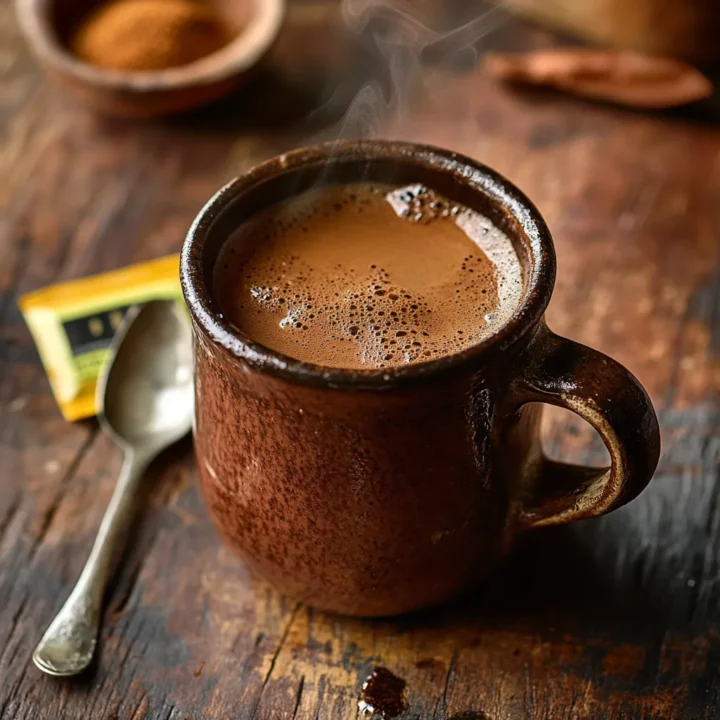
Brazilian Coffee
Savor the rich flavors of traditional Brazilian cafezinho with this simple recipe. Learn how to brew authentic Brazilian coffee and enjoy a delightful experience!
Ingredients
- High-Quality Coffee Beans: 2 tablespoons, finely ground
- Unrefined Sugar: 1 teaspoon (optional)
- Water: 1 cup
Instructions
Boil Water:
- Bring 1 cup of water to a boil in a small saucepan or kettle. Freshly boiled water is essential for extracting the full flavor from the coffee grounds.
Add Ground Coffee:
- Once the water is boiling, remove it from the heat. Stir in 2 tablespoons of finely ground coffee. Freshly ground beans are key for the best aroma and flavor.
Brew:
- Allow the coffee to steep in the boiling water for about 1 minute. This brief brewing time ensures the coffee is strong and flavorful without becoming bitter.
Strain:
- Pour the coffee through a cloth filter to remove the grounds. This traditional method gives you a smooth, clear cup. If you don't have a cloth filter, a fine mesh strainer will work just as well.
Sweeten:
- Add 1 teaspoon of unrefined sugar if you prefer your coffee sweet. Stir well to dissolve the sugar. You can adjust the amount to your taste or skip it altogether.
Serve:
- Pour the coffee into a small mug. Traditional Brazilian coffee is often served in small cups, similar to espresso cups. This allows you to savor every sip.
Notes
Pro Tips:
- Single-Origin Beans: For the most authentic flavor, use single-origin Brazilian coffee beans. These beans are grown in specific regions of Brazil and offer a unique taste profile.
- Freshly Ground: Grinding your beans just before brewing ensures the freshest aroma and richest flavor. If you don't have a grinder, look for pre-ground coffee that is finely ground.
- Adjust Sugar: Feel free to adjust the amount of sugar to your liking. Some people prefer their cafezinho with just a pinch of sugar, while others might skip it altogether.
- Pairing Suggestions: Enjoy your cafezinho with traditional Brazilian snacks like cheese bread (pão de queijo) or brigadeiros (Brazilian chocolate truffles) for a complete experience.
Nutrition Information:
Yield: 1 Serving Size: 1Amount Per Serving: Calories: 20Total Fat: 0.1gCarbohydrates: 4.5gSugar: 4.5gProtein: 0.3g